How a Pension Can Beat Mortgage Overpayments by £120,000
James Shack showed how using a pension to pay off a mortgage could leave you £120,000 better off at retirement than aggressive overpayments. The strategy relies on tax relief and longer compounding time.

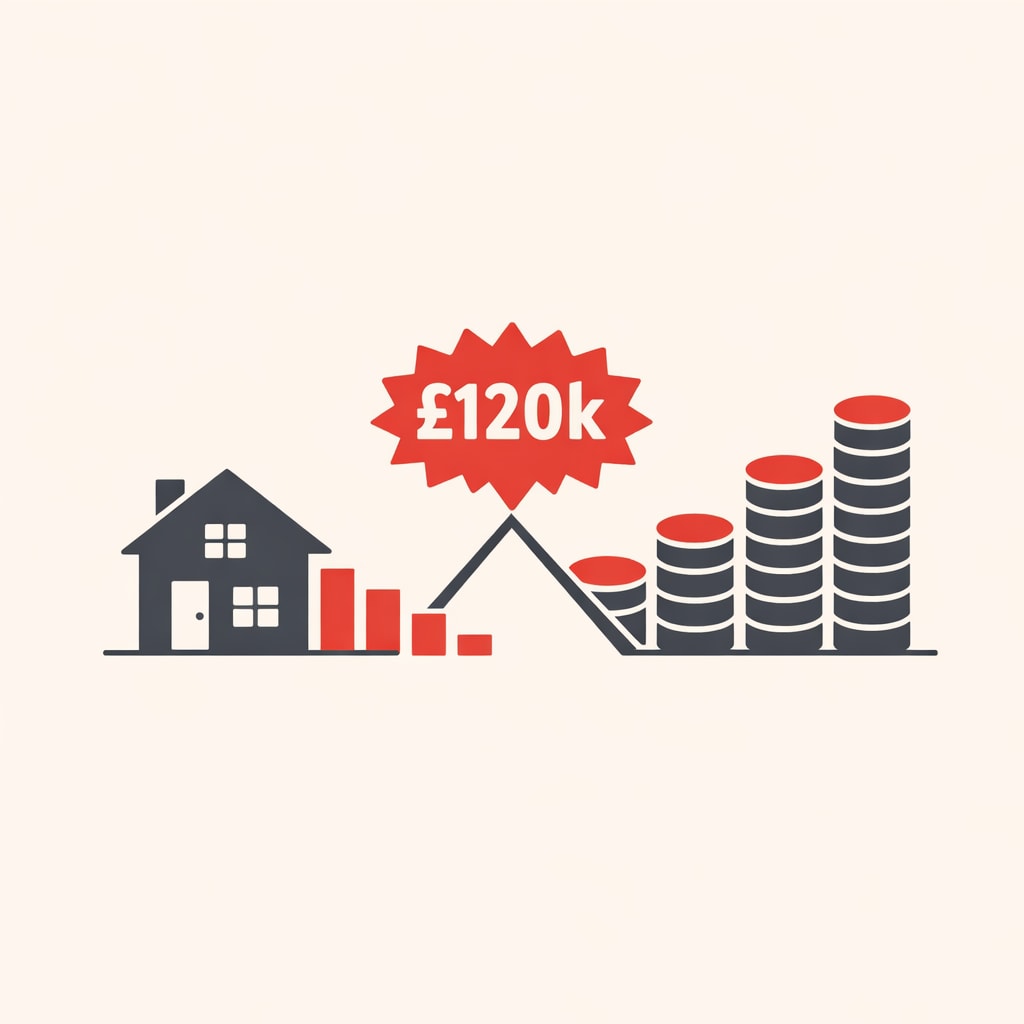
James Shack, a financial planner, demonstrated a strategy where using a pension to pay off a mortgage could leave a client £120,000 better off at retirement than making aggressive overpayments throughout the mortgage term.
The comparison uses a 35-year-old with a £200,000 mortgage at 4% interest, paying £955 monthly. They have £500 extra each month to either overpay the mortgage or contribute to a pension.
The mortgage overpayment route
Overpaying £500 monthly clears the mortgage in 17 years instead of 25. The borrower saves £57,000 in interest and owns their home outright at 52. From that point, they redirect the full £1,455 (original payment plus overpayment) into their pension for 13 years until retirement at 65.
This approach builds a pension pot of £385,000.
The pension-first route
Instead, put the £500 into a pension from the start. With 40% tax relief (higher rate taxpayer), that £500 becomes £833 in the pension. Continue this for 25 years while making standard mortgage payments.
At 60, five years before retirement, use the pension to clear the remaining £86,000 mortgage balance. The pension still holds £420,000 after the mortgage is paid off. Continue contributing the original £500 monthly (now £833 with tax relief) for the final five years.
Final pension pot: £505,000. That's £120,000 more than the overpayment strategy.
Why the difference exists
Three factors create the gap. Tax relief amplifies every pension contribution by 40% for higher rate taxpayers. The pension compounds for 30 years instead of 13. And mortgage interest saved through overpayments (around 4%) can't match typical pension growth rates (assumed at 5% in this calculation).
The strategy requires discipline. You must actually use the pension to clear the mortgage at 60, not spend it elsewhere. You need to be a higher rate taxpayer to get the full tax relief benefit. And you must be comfortable carrying mortgage debt longer than necessary.
Shack notes this works best for higher earners who can sustain the strategy long-term. The numbers shift considerably for basic rate taxpayers, where tax relief drops to 20% and the advantage narrows.