Zevi Arnovitz, a non-technical PM at Meta, ships real features using AI. He's built profitable side projects without writing code, using a six-step workflow with Cursor and Claude that anyone can copy.
Qasar Younis runs a $15bn AI company most people haven't heard of. He thinks physical AI - tractors, trucks, mining rigs - will matter more than software. Here's why he stayed quiet for a decade, and what he sees coming next.
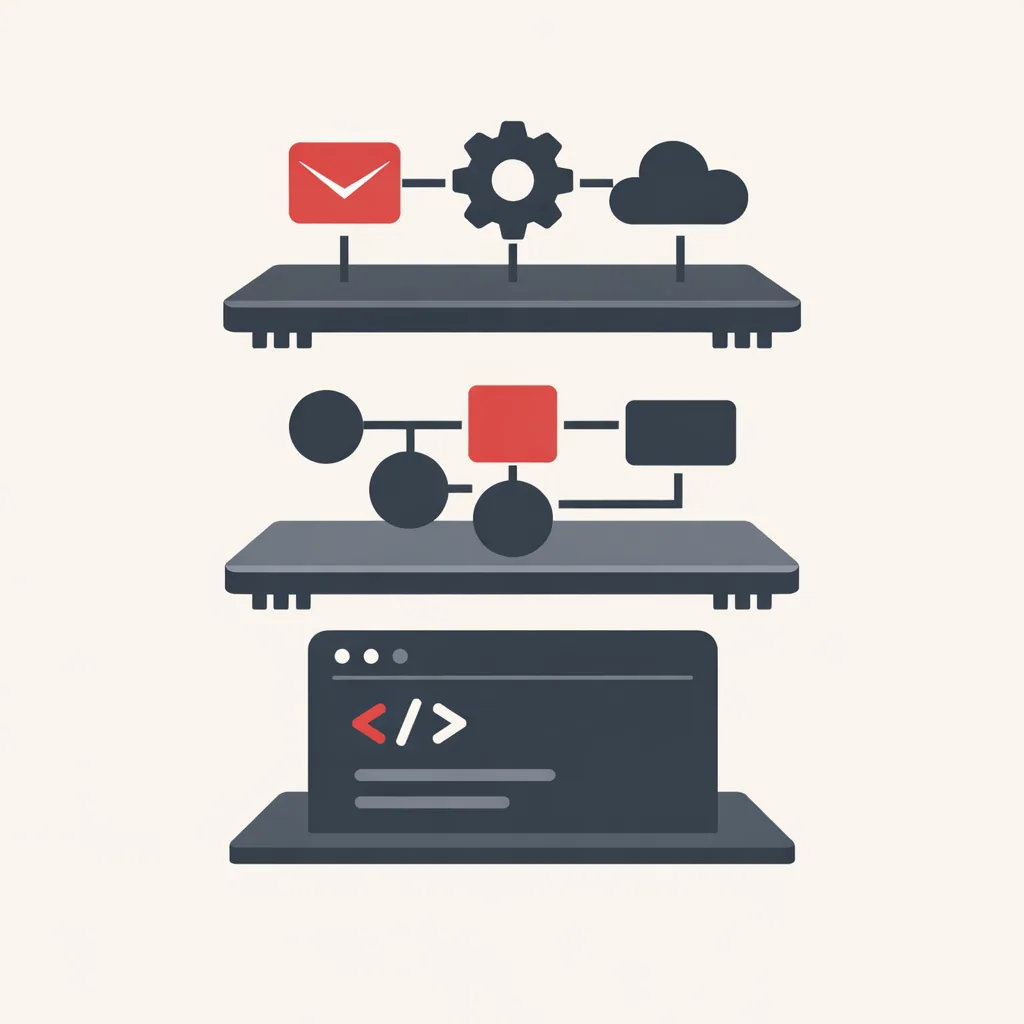
Trigger.dev, N8N, and Make.com keep getting compared as competitors. They're not. They solve different problems at different layers of a SaaS stack, and the smartest approach uses them together.
CJ Hess built Flowy to turn planning diagrams from ASCII art into visual mockups. Claude writes JSON files that render as proper flowcharts and UI designs, making plans easier to verify before writing code.
Dr. Marily Nika shares a 15-minute weekly practice for building AI product sense: three deliberate tests that reveal how models behave, where they fail, and how to design products that work despite those limitations.
Miguel Miranda Dias wrote about Thread-Based Engineering, a framework for measuring and improving how engineers work with AI coding agents. It breaks work into six thread patterns, from basic single-prompt sessions to parallel execution and nested agent orchestration.
Wispr Flow leads the voice dictation market, but five alternatives offer different trade-offs on privacy, price, and platform support. A practical comparison for solo builders.
Lazar Jovanovic gets paid to vibe code at Lovable. He's never written code manually. His frameworks for AI success: the three wishes rule, parallel project building, planning with MD files, and a 4x4 debugging workflow.
Marc Andreessen describes how AI creates a Mexican standoff between product managers, engineers, and designers. Each role can now do the others' work. The solution isn't picking one, it's becoming genuinely good at two or three.
Kieran Klaassen opened GitHub to review code and found Claude Code had already applied three months of feedback. This is compounding engineering - building systems where each iteration teaches the next one.
A martial artist trained with a Shaolin master for 24 hours. The lesson: small structural adjustments beat adding raw power - in kung fu and in building products.
Anthropic's documentation on prompt engineering for Claude covers techniques from basic clarity to advanced methods like chain-of-thought reasoning, role prompting, and prompt chaining - with practical examples showing the impact of each approach.
Reddit threads reveal the real story behind AI coding tools. Cursor's pricing backlash, Roo Code's flexibility, and Claude Code's terminal-first approach.
A freelance marketer built a "learning inbox" system to escape social media noise. He uses a dedicated email, curated newsletters, systematic labelling, and AI tools to filter for actual insights rather than clickbait.
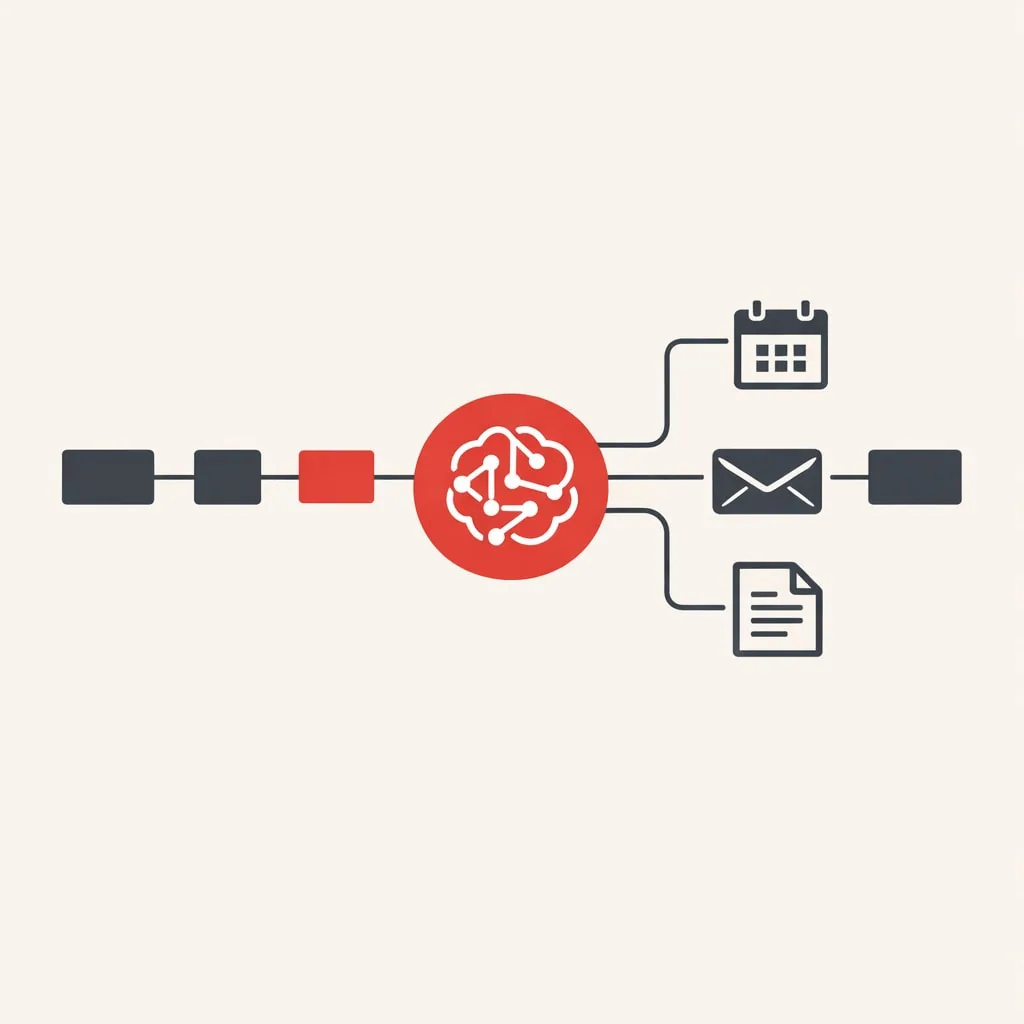
Conor Griffin's n8n tutorial builds three automations of increasing complexity, ending with an AI agent that manages calendars, emails, and custom workflows through natural language.
Simon Høiberg demonstrated Roo Code, an open-source VS Code extension with customisable prompt modes, browser automation for visual debugging, and granular cost control through model selection. It's a community-driven alternative to Cursor.
Teresa Torres built her task management and research systems in Claude Code using Obsidian and Python scripts. She creates tasks conversationally, gets automated research digests, and maintains context files that let her prompt lazily.
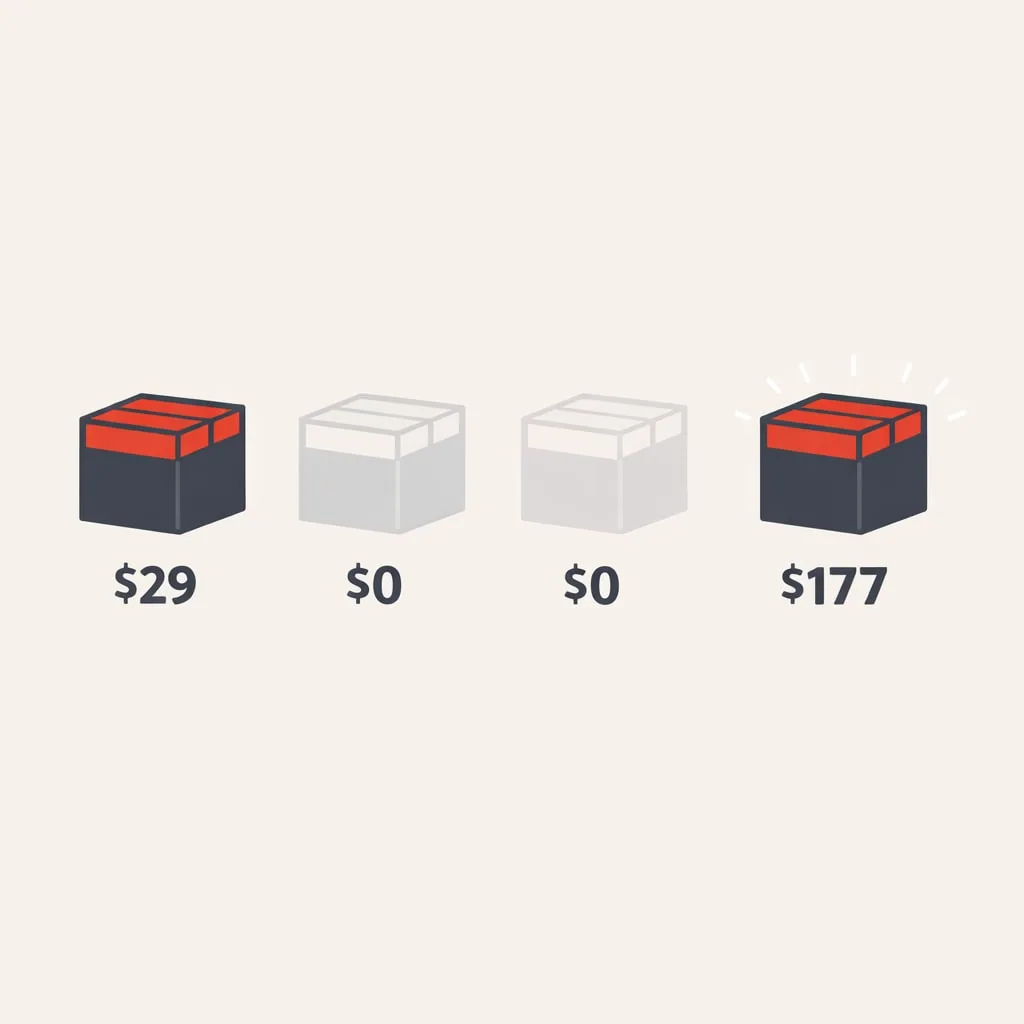
A developer built four SaaS products in 300 days. Revenue: $206 total. The pattern: he only used one of them himself. What the numbers show about learning to build products that work.
Max shipped 28 apps in 8 months and hit $10k/month. The system: cheap bets, clear signals, and walking away from what doesn't work. Four apps do most of the work.
Tibo runs four SaaS products doing $100k+/month each. His system: ship fast, talk to users daily, iterate until they can't leave, then scale what works.
James Shack showed how using a pension to pay off a mortgage could leave you £120,000 better off at retirement than aggressive overpayments. The strategy relies on tax relief and longer compounding time.
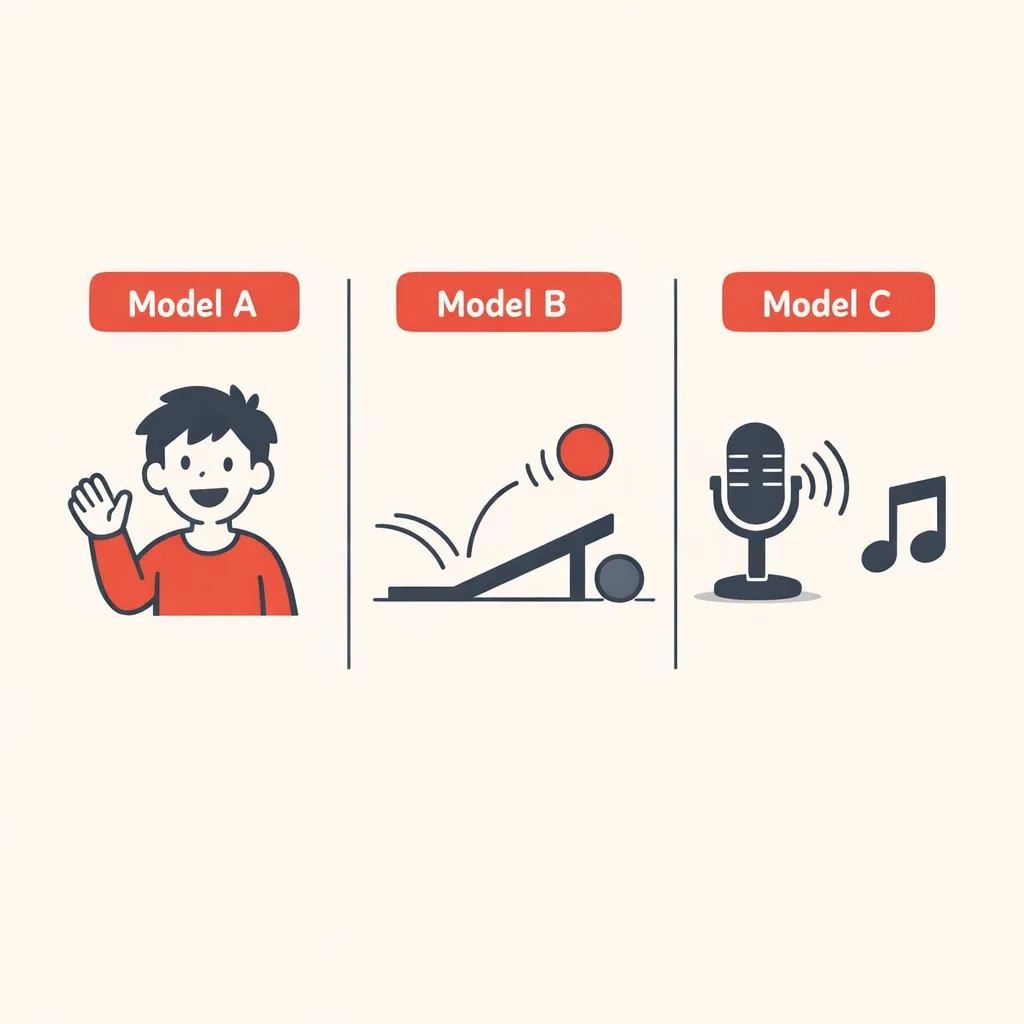
Vaibhav Sisinty tested over 10 AI video models in 2025. Kling O1 wins for character consistency, Runway Gen-4.5 for physics and creative control, WAN 2.5 for audio sync, and Sora 2 for long-form video despite a disappointing launch.
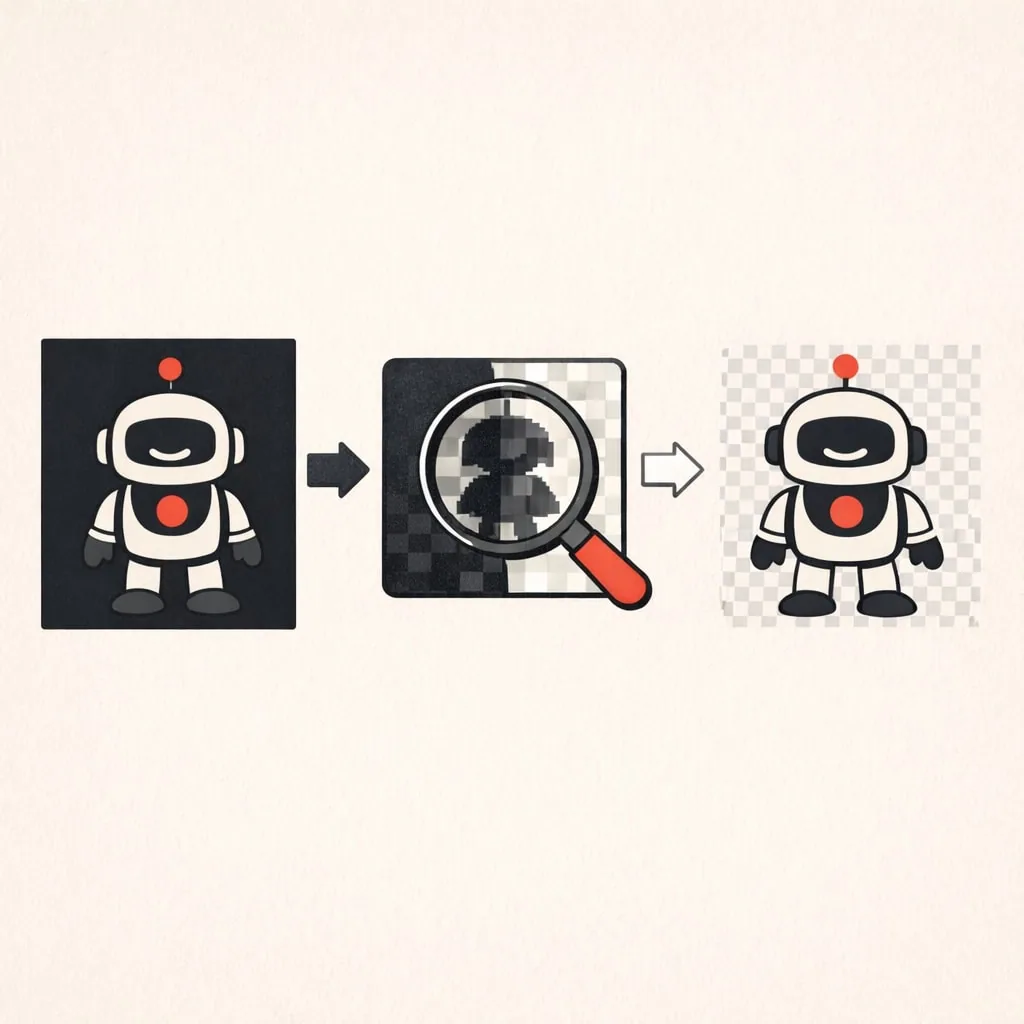
Julien De Luca's method for generating transparent backgrounds uses difference matting between black and white background versions. Two passes, clean results, no manual masking required.
Vaibhav Sisinty tested ten AI design tools in 2025. While everyone focused on AI coding, design tools quietly got good. Figma Make won overall, but specific tools excel in prototyping, user-centric design, and microinteractions.