Qasar Younis runs a $15bn AI company most people haven't heard of. He thinks physical AI - tractors, trucks, mining rigs - will matter more than software. Here's why he stayed quiet for a decade, and what he sees coming next.
Dr. Marily Nika shares a 15-minute weekly practice for building AI product sense: three deliberate tests that reveal how models behave, where they fail, and how to design products that work despite those limitations.
Miguel Miranda Dias wrote about Thread-Based Engineering, a framework for measuring and improving how engineers work with AI coding agents. It breaks work into six thread patterns, from basic single-prompt sessions to parallel execution and nested agent orchestration.
Wispr Flow leads the voice dictation market, but five alternatives offer different trade-offs on privacy, price, and platform support. A practical comparison for solo builders.
Lazar Jovanovic gets paid to vibe code at Lovable. He's never written code manually. His frameworks for AI success: the three wishes rule, parallel project building, planning with MD files, and a 4x4 debugging workflow.
Marc Andreessen describes how AI creates a Mexican standoff between product managers, engineers, and designers. Each role can now do the others' work. The solution isn't picking one, it's becoming genuinely good at two or three.
Kieran Klaassen opened GitHub to review code and found Claude Code had already applied three months of feedback. This is compounding engineering - building systems where each iteration teaches the next one.
Anthropic's documentation on prompt engineering for Claude covers techniques from basic clarity to advanced methods like chain-of-thought reasoning, role prompting, and prompt chaining - with practical examples showing the impact of each approach.
Teresa Torres built her task management and research systems in Claude Code using Obsidian and Python scripts. She creates tasks conversationally, gets automated research digests, and maintains context files that let her prompt lazily.
Zevi Arnovitz, a non-technical PM at Meta, ships real features using AI. He's built profitable side projects without writing code, using a six-step workflow with Cursor and Claude that anyone can copy.
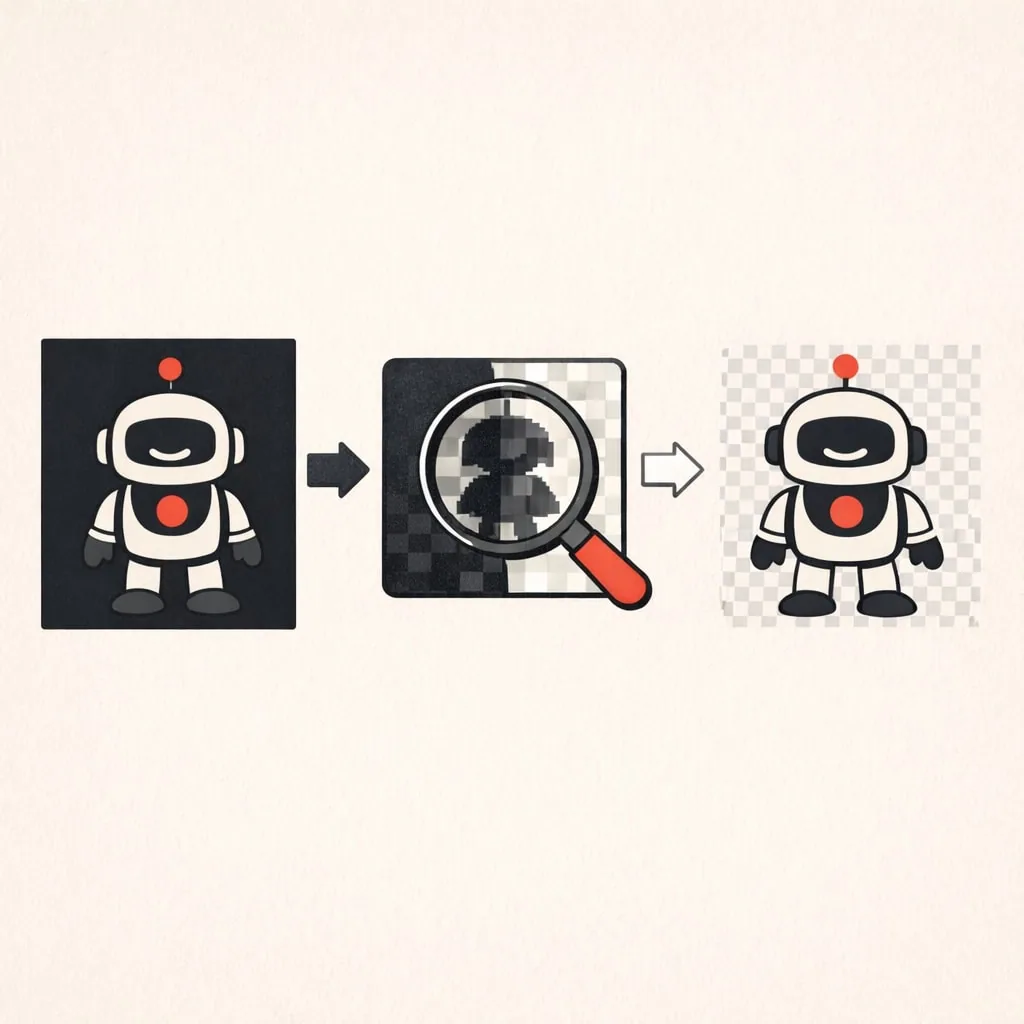
Julien De Luca's method for generating transparent backgrounds uses difference matting between black and white background versions. Two passes, clean results, no manual masking required.
Vaibhav Sisinty tested ten AI design tools in 2025. While everyone focused on AI coding, design tools quietly got good. Figma Make won overall, but specific tools excel in prototyping, user-centric design, and microinteractions.